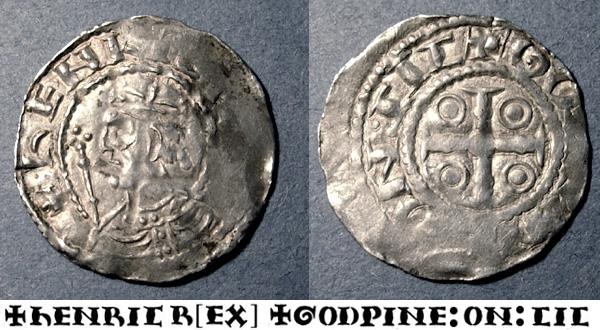
The history of those who debase money in an effort to get something for nothing — i.e., coin clippers, counterfeiters, and central bankers — is long and sordid. Here’s an eye-opener about how one medieval king dealt with officers found guilty of devaluing the currency:
“Henry I castrated currency officials whose output was found wanting. According to Sinclair, half the moneyers in England were mutilated as punishment for producing sub-standard or counterfeit coins in 1124.”
Apparently, about 95 officials were emasculated (or had their right hands amputated, according to this competing account).
How far we have come in dealing with our own currency debasers — though whether for better or worse I cannot say. : )
Source: This charming, short account of the British pound Related: My interview with thoughtful Robert Breedlove on the philosophy of money and Bitcoin/crypto’s promise:
It was actually “gelding and gouging” and was seen as a humiliation and ostracizing punishment rather than a death sentence.
It is said that having this hanging over his head prompted Sir Isaac Newton (1642–1727) to come up with idea of milled rimed coins when he was Warden and later master of the Royal Mint…
How true this might be is a matter of conjecture, but it does fall in line with his significant improvements of the English Coins.
Some say it was actually down to Nicholas Briot (1579 – 1646) who was a French coin engraver, medallist and mechanical engineer.
A look at the dates where Briot died when Newton was just 4 suggests that there is a lot of information missing as the Royal Mint was in a mess and still making coins the old way when Newton became Warden in 1696 and spent the rest of his life improving the English and Scottish coinage.