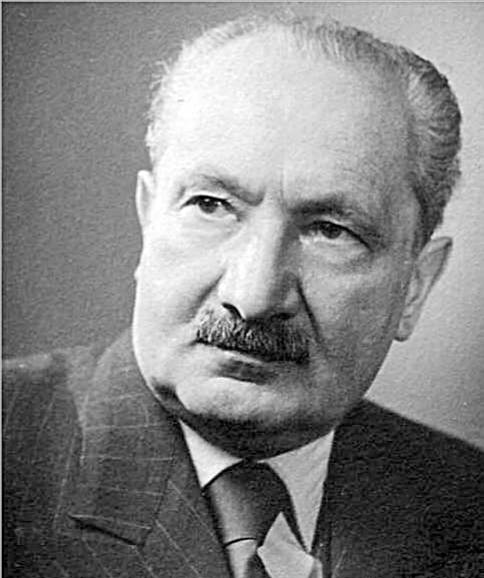
Martin Heidegger

“What Is Metaphysics?” | Martin Heidegger | *Philosophers, Explained by Stephen Hicks

Who are the great philosophers, and what makes them great? Episodes: The full playlist. Stephen R. C. Hicks, Ph.D., is Professor of Philosophy at Rockford University, USA, and has had visiting positions at Georgetown University in Washington, D.C., the University of Kasimir the Great in Poland, Oxford University’s Harris Manchester College in England, and Jagiellonian […]

“What Is Metaphysics?” | Martin Heidegger | *Philosophers, Explained by Stephen Hicks Read More »
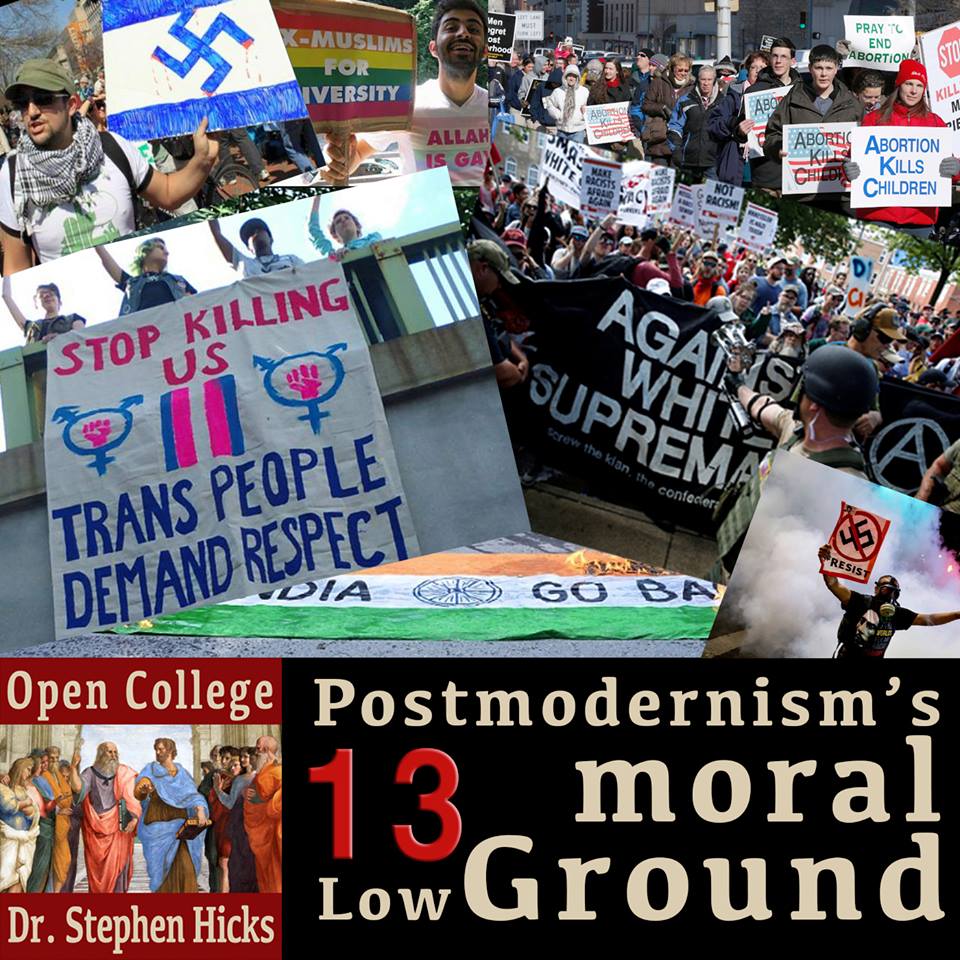
Postmodernism’s Moral *Low* Ground [Open College transcript]

We’re posting serially at thinkspot the transcripts of my Open College podcasts. Here’s the thirteenth: OC13: Postmodernism’s Moral *Low* Ground. “Our classic rules are as follows: Approach discussion with a spirit of benevolence, give people the initial benefit of the doubt, make one’s goal the mutual advancement of understanding, hear out both or all sides

Postmodernism’s Moral *Low* Ground [Open College transcript] Read More »

Kuhn on the Greeks’ unique creation of scientific culture

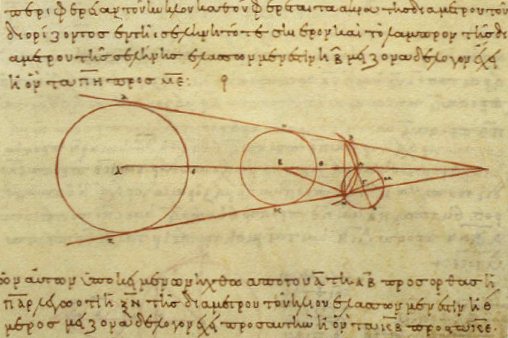
Sparked by some recent conversation, here again is a striking quotation from Thomas Kuhn’s The Structure of Scientific Revolutions: “Every civilization of which we have records has possessed a technology, an art, a religion, a political system, laws, and so on. In many cases those facets of civilization have been as developed as our own.

Kuhn on the Greeks’ unique creation of scientific culture Read More »

Martin Heidegger in *Explaining Postmodernism*

Martin Heidegger claimed that reason is the “most stiff-necked adversary of thought” and an obstacle to be discarded. For more on the context for Heidegger’s claim and his contributions to postmodernism, see p. 69 of my Explaining Postmodernism: Skepticism from Rousseau to Foucault. See also: Heidegger and postmodernism: Includes “Heidegger’s synthesis of the Continental tradition,” “Setting

Martin Heidegger in *Explaining Postmodernism* Read More »

Martin Heidegger in Explaining Postmodernism

Being is nothing. “Nothing,” wrote Martin Heidegger, “not merely provides the conceptual opposite of what-is but is also an original part of essence.” That may not make sense logically, but: “Authentic speaking about nothing always remains extraordinary. It cannot be vulgarized. It dissolves if it is placed in the cheap acid of merely logical intelligence.”

Martin Heidegger in Explaining Postmodernism Read More »

Forcing professors out, 1933 edition

Thomas Hager (p. 240) describes well the attitude of a majority of students and professors within the universities, when Hitler and and his Culture Minister demanded that all Jews be removed from their professorships: “German university students were, in general … devoted to making Germany great again. They were strongly pro-Nazi. Among faculty members, there

Forcing professors out, 1933 edition Read More »

Philipse’s book on Heidegger — David Auerbach’s review

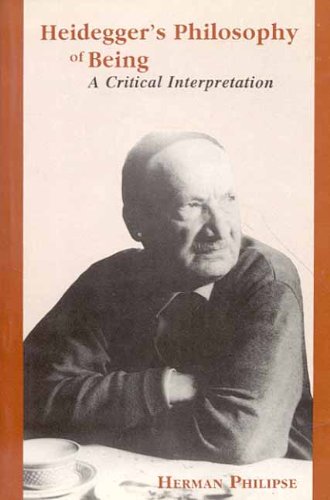
Professor Kevin Hill drew my attention to Auerbach’s review of Herman Philipse’s Heidegger’s Philosophy of Being (Princeton, 1998) and this excerpt from Philipse in particular: Heidegger’s individualistic notion of authenticity, according to which Dasein has to liberate itself from common moral rules in order to choose one’s hero freely, tends to collapse into a collectivist

Philipse’s book on Heidegger — David Auerbach’s review Read More »