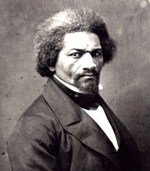
A decade before the formal end of slavery in the entire USA, Frederick Douglass spoke on “What to the Slave is the Fourth of July?” on July 5, 1852, to the Rochester Ladies’ Anti-Slavery Society in New York.
“What, then, remains to be argued? Is it that slavery is not divine; that God did not establish it; that our doctors of divinity are mistaken? There is blasphemy in the thought. That which is inhuman, cannot be divine! Who can reason on such a proposition? They that can, may; I cannot. The time for such argument is passed.”
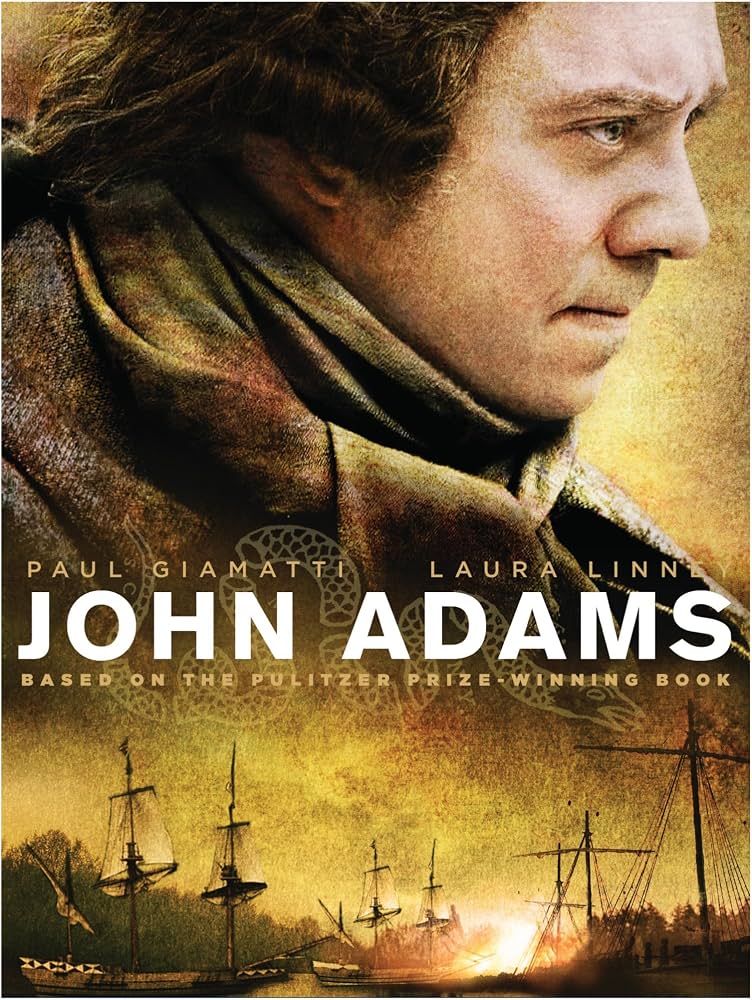
On July 4th, I like to re-watch the outstanding John Adams mini-series and re-read Thomas Jefferson’s contrasting the old doctrines of Europe with the new American philosophy:
“The doctrines of Europe, were that men in numerous associations cannot be restrained within the limits of order and justice, except by forces physical and moral wielded over them by authorities independent of their will …. We believe that man was a rational animal, endowed by nature with rights, and with an innate sense of justice, and that he could be restrained from wrong, and protected in right, by moderate powers, confided to persons of his own choice and held to their duties by dependence on his own will.”
The USA at 250 is a wonderful thing — still a world leader in inspiration, entrepreneurism, morality, prosperity, and quality of life.
I also recommend one classic and two recent books:
* Bernard Bailyn, The Ideological Origins of the American Revolution (1967)
* C. Bradley Thompson, America’s Revolutionary Mind: A Moral History of the American Revolution and the Declaration That Defined It (2019)
* Timothy Sandefur, Proclaiming Liberty: John Adams, Thomas Jefferson, and the Declaration of Independence (2026).
Plus an exercise recommended by Jay Lapeyre, chair of the Free Society Coalition:
“The Declaration is one of America’s greatest gifts. To keep it, we must understand it, discuss it and apply it. …
“Challenge: Spend one hour discussing the Declaration of Independence’s foundational principles of equality, liberty, rights, and responsibility with family, friends, students, colleagues, or neighbors. Gather a few people. Read the Declaration’s most famous sentence together. Discuss what it means, why it matters, and what it requires of us as citizens. Take the One-Hour Declaration Challenge and access free resources at FreeSocietyCoalition.org.“