Stephen Hicks

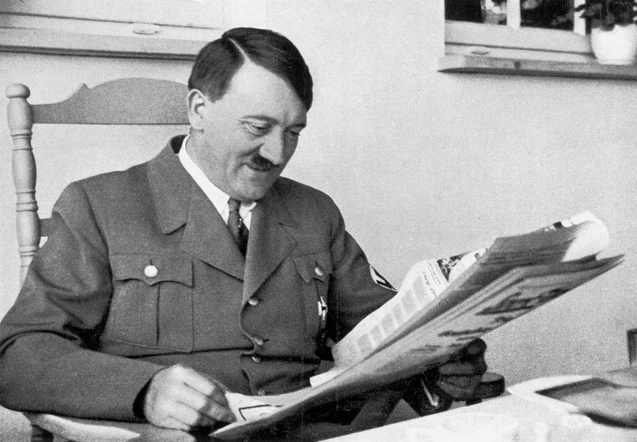
Picking the President, 2016: My Scoring of Clinton, Johnson, and Trump

Last week I posted this chart for comparing Clinton, Johnson, and Trump on six dimensions. I scored each from 1 to 10 for each dimension, with 10 being the highest score, and then totaled scores for each candidate. (Here is the blank chart in a Word document.) My scoring is: Here again are the follow-up […]

Picking the President, 2016: My Scoring of Clinton, Johnson, and Trump Read More »

Galileo and the Early Modern Compromise in Philosophy

[In my Introduction to Philosophy course this week, we are reading and discussing Galileo Galilei’s attempt to reconcile the new science with traditional religion. The text of his Letter is at my Texts in Philosophy page.] In his open letter to the Grand Duchess Christina (1615), Galileo offered a defense of science against the prevailing

Galileo and the Early Modern Compromise in Philosophy Read More »

Understanding Triggers and Microaggression as *Strategy* (Part 1) [Good Life series]

In your lifetime, how many times can you remember when everyone agreed about the significance of a major cultural phenomenon? It is happening now, as libertarians, conservatives, left-liberals and far-leftists all agree that a deep rot has set into Political Correctness. Hell is freezing over and pigs can now fly. The symptoms of P.C. are

Understanding Triggers and Microaggression as *Strategy* (Part 1) [Good Life series] Read More »

White on Kant and Classical Liberalism [Cato Unbound series]

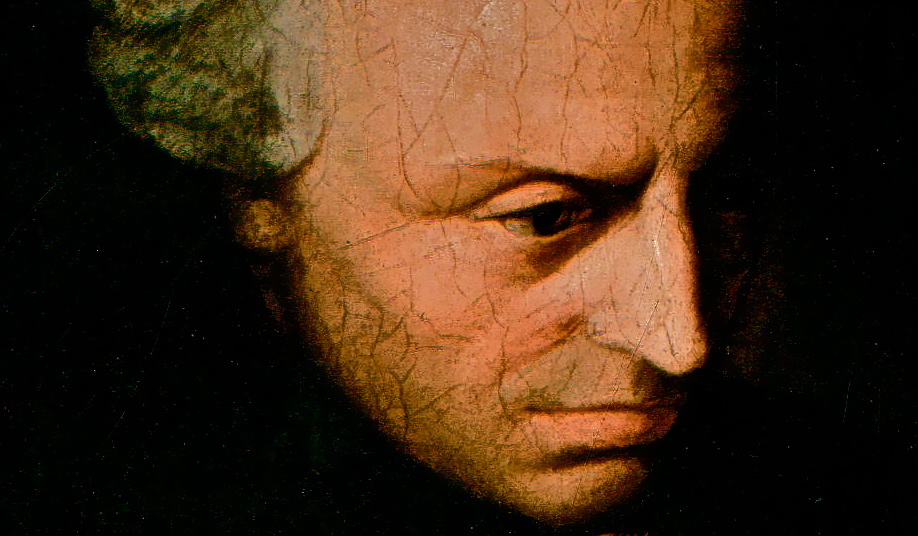
Professor Mark White has published the opening essay, “Defending Kant’s Classical Liberalism,” in the Cato Unbound discussion series. Here is the abstract of his essay: “Mark D. White praises Immanuel Kant’s political philosophy and recommends it to modern classical liberals. Kant’s ethics has often been caricatured as one of rigid, unthinking duty, and also of

White on Kant and Classical Liberalism [Cato Unbound series] Read More »

Is Austrian economics anti-empirical? (Horwitz, Caplan, Selgin, and Boettke)

[I’m re-posting this good discussion from 2012 at Cato Unbound.] An instructive trio of essays by economists at Cato Unbound about Austrian economics’ reputation — especially Mises’s praxeological version — for being strongly a priori rationalist: Is Austrian economics anti-empiricist? Steve Horwitz says no. Bryan Caplan says yes. George Selgin also says yes. To Selgin’s

Is Austrian economics anti-empirical? (Horwitz, Caplan, Selgin, and Boettke) Read More »

Is Political Evil Built into Religion? [Theist vs. Atheist series]

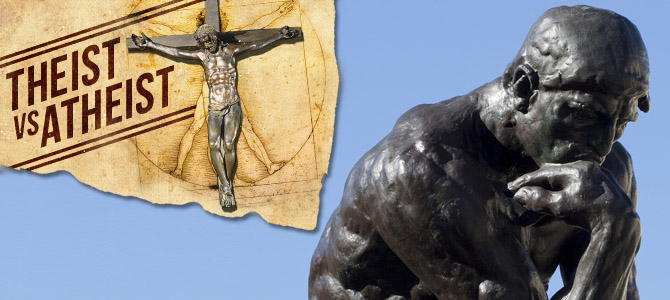
[This essay is a part of the Theist vs. Atheist debate series between Stephen Hicks and John C. Wright. Here Hicks responds to Wright’s previous column. Here are the links to other essays in the series.] We live in good times for religion and politics. The great majority of us are free to practice or not

Is Political Evil Built into Religion? [Theist vs. Atheist series] Read More »