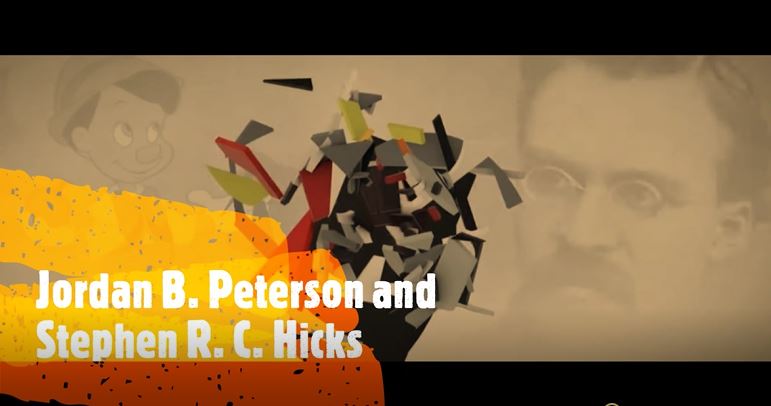
Second Jordan Peterson interview — video released
A podcast version is here. Our first discussion (2017) is here at YouTube or here in transcription.
Second Jordan Peterson interview — video released Read More »

A podcast version is here. Our first discussion (2017) is here at YouTube or here in transcription.
Second Jordan Peterson interview — video released Read More »
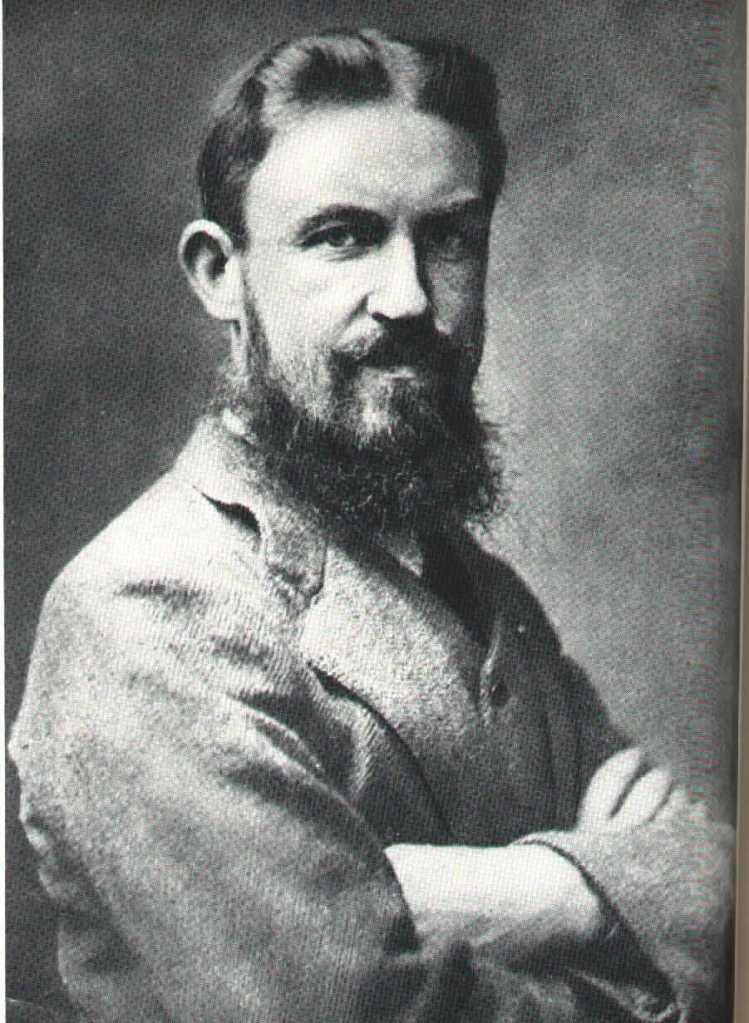
Socialism in 1928 — George Bernard Shaw’s “kindly” version: “Socialism means equality of income or nothing. Under socialism you would not be allowed to be poor. You would be forcibly fed, clothed, lodged, taught, and employed whether you liked it or not. If it were discovered that you had not character and industry enough to
Socialism in 1928—George Bernard Shaw’s “kindly” version Read More »
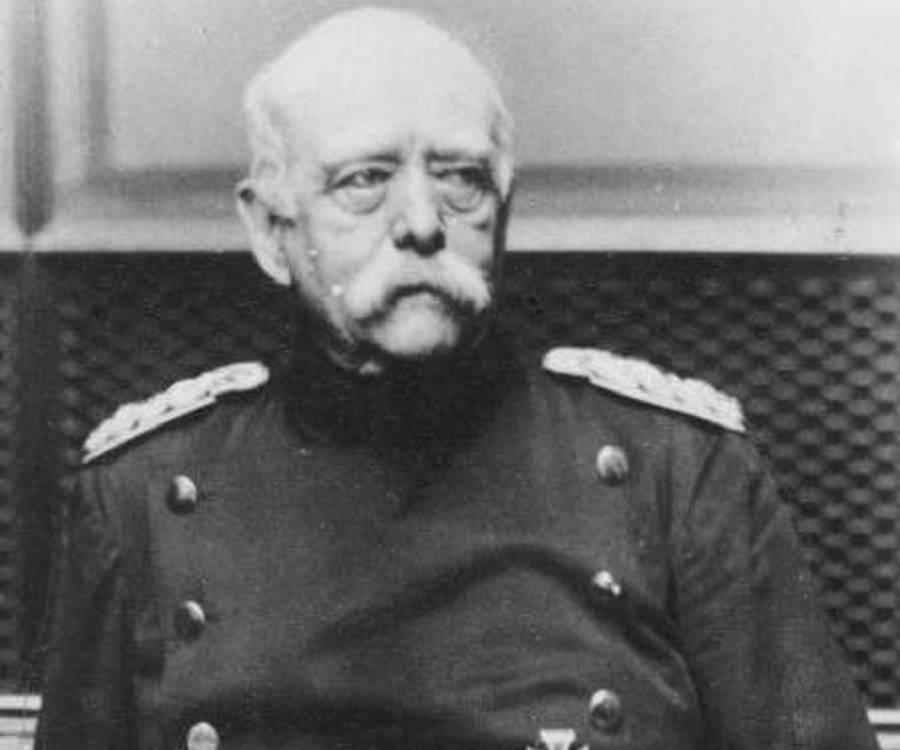
Otto von Bismarck, the Chancellor of Germany, when he was arguing for his 1883 Welfare-State law proposals: “That the state should assist its needy citizens to a greater degree than before is not only a Christian and humanitarian duty, of which the state apparatus should be fully conscious: it is also a task to be
Bismarck on Welfare and Dependence on the State Read More »

Three data points: 1. The 1973 Roe v. Wade case was decided 7-2 by an all-male court. 2. A 2018 Gallup poll showed statistically small-to-trivial differences between men and women’s beliefs about whether abortion should be legal in all cases, illegal in all cases, or legal/illegal in some cases. 3. A 2018 Pew survey also
Abortion is not a men-versus-women issue Read More »
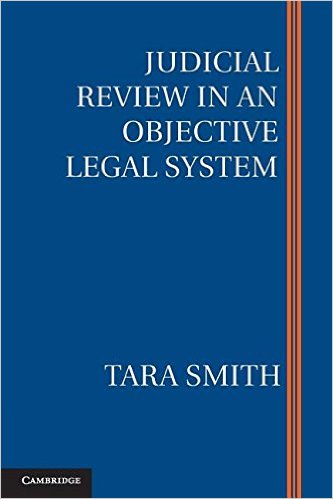
Professor Tara Smith’s fine book on the philosophy of law, Judicial Review in an Objective Legal System, was published by Cambridge University Press. The journal Reason Papers has this very good symposium review by Timothy Sandefur and response by Tara Smith.
Smith’s *Judicial Review in an Objective Legal System* Read More »
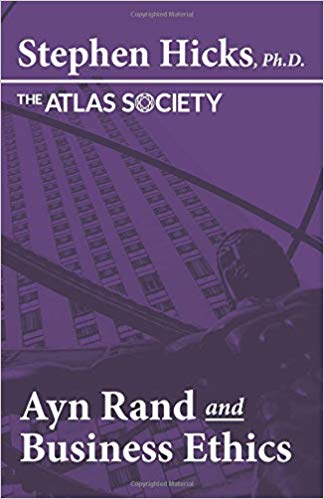
I’m happy to announce a new audio edition of my “Ayn Rand and Business Ethics” has been published at Audible. Thanks to the team at The Atlas Society for producing it. The essay was originally published in The Journal of Accounting, Ethics & Public Policy and has since been translated into Korean, German, Serbo-Croatian, and
Audiobook: *Ayn Rand and Contemporary Business Ethics* published Read More »

The Polish translation by Professor Piotr Kostyło and Katarzyna Nowak of my Explaining Postmodernism was published by the University of Kasimir the Great Press. Here’s the table of contents: For other editions and translations, see my Explaining Postmodernism: Skepticism and Socialism from Rousseau to Foucault page.
Table of Contents page for my *Zrozumieć postmodernizm* Read More »

Artist Michael Newberry on seven Greek works and their significance for art history. About one-minute each: Geometric Warrior: http://www.youtube.com/watch?v=8R7Xc3rjdcg Hera of Samos: http://www.youtube.com/watch?v=R99mNjjRXzE Kroisos: http://www.youtube.com/watch?v=I2SISPsZqws Doryphoros: http://www.youtube.com/watch?v=lqG0vE9UV20 Aphrodite: http://www.youtube.com/watch?v=gThbMBcnSOI Three Goddesses: http://youtu.be/374rE1Jg-A4 Battle of Alexander: http://www.youtube.com/watch?v=9blM7if1-KY
Michael Newberry on seven key works in Greek art Read More »