Stephen Hicks

German philosophy in pre-World-War-II Japan

In Western nations, there is a clear connection between philosophy and totalitarian politics. Hegel’s philosophy, for example, took a “left” turn in Marx’s thinking — which Lenin, Trotsky, and Stalin drew upon — and it took a “right” turn in Treitschke’s and Nietzsche’s thinking — which Goebbels, Hitler, and the National Socialists drew upon, as […]

German philosophy in pre-World-War-II Japan Read More »

Thanksgiving reflection upon Schubert’s early death

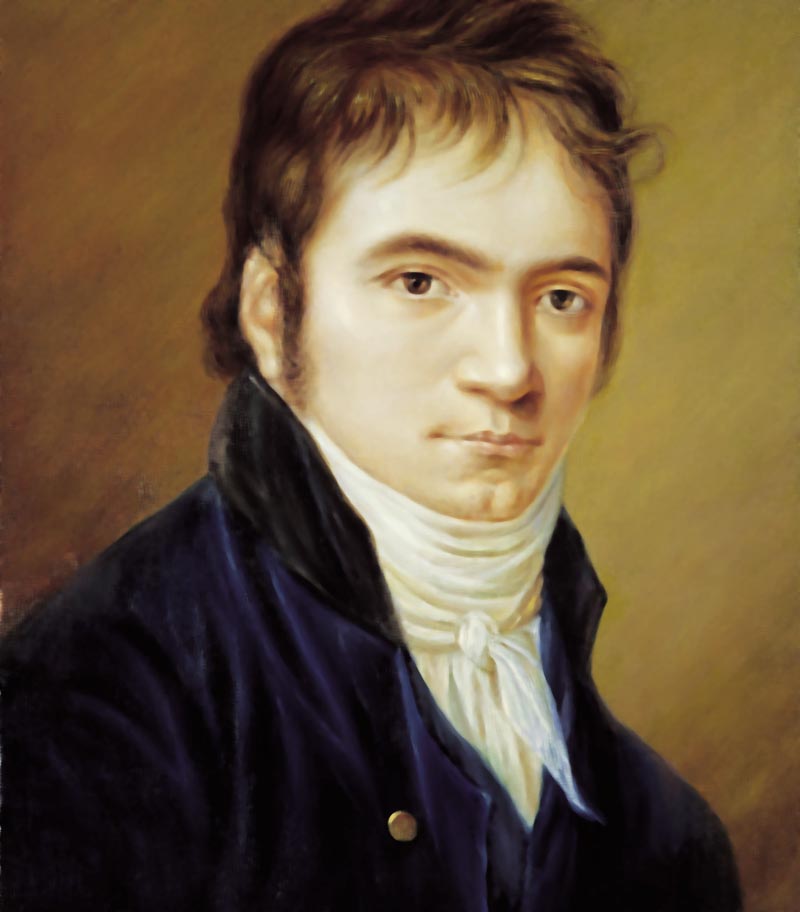
Franz Schubert, the great lyrical composer of the early 1800s, died at age 31. While his music is usually too melancholy for my taste, what a sadness. Franz was lucky to get that many years. Biographer Christoper Gibbs reports that Schubert’s parents had fourteen children and “nine of their fourteen children died in infancy.” (The

Thanksgiving reflection upon Schubert’s early death Read More »

Frey’s *America’s Economic Moralists* — review

My review essay on Donald Frey’s America’s Economic Moralists: A History of Rival Ethics and Economics (SUNY Press, 2009). My conclusion: “America’s Economic Moralists is a good historical survey of mostly religious commentaries on economics. Frey’s work is in part a historical survey and in part a polemic against the autonomy individualists. In my judgment,

Frey’s *America’s Economic Moralists* — review Read More »

WHAT THE WOMEN ETHICISTS ARE UP TO: AYN RAND and PHILIPPA FOOT. Lecture 4 of Postmodern Philosophy

Lecture Four: Why has moral philosophy become skeptical and sterile? In contrast, Ayn Rand rejects the is-ought dichotomy and argues that ethics is “an objective necessity” for volitional, rational beings. Philippa Foot, also updating Aristotle, states that “the grounding of a moral argument is ultimately in facts about human life.” Themes:  Naturalism. Bio-centrism. Value and

WHAT THE WOMEN ETHICISTS ARE UP TO: AYN RAND and PHILIPPA FOOT. Lecture 4 of Postmodern Philosophy Read More »

Was Kant really that skeptical?

Some readers of Explaining Postmodernism object that I over-interpret Kant’s skepticism. Some prefer a gentler, more objectivity-friendly Kant. So while I quote Kant a lot in making the argument that Kant’s philosophy is radically subjectivist and the critical step down the road to postmodernism—not everyone is convinced. So I am grateful to Quee Nelson for

Was Kant really that skeptical? Read More »