At the end of the 20th century, a survey of philosophers on the big books in their field was published by Douglas Lackey (The Philosophical Forum, 1999). Interesting that the list is dominated by works in epistemology. The top ten books cited:
1. Wittgenstein, Philosophical Investigations [179 citations]
2. Heidegger, Being and Time [134]
3. Rawls, A Theory of Justice [131]
4. Wittgenstein, Tractatus Logico-Philosophicus [77]
5. Russell & Whitehead, Principia Mathematica [64]
6. Quine, Word and Object [63]
7. Kripke, Naming and Necessity [56]
8. Kuhn, The Structure of Scientific Revolutions [51]
9. Sartre, Being and Nothingness [38]
10. Whitehead, Process and Reality [34]
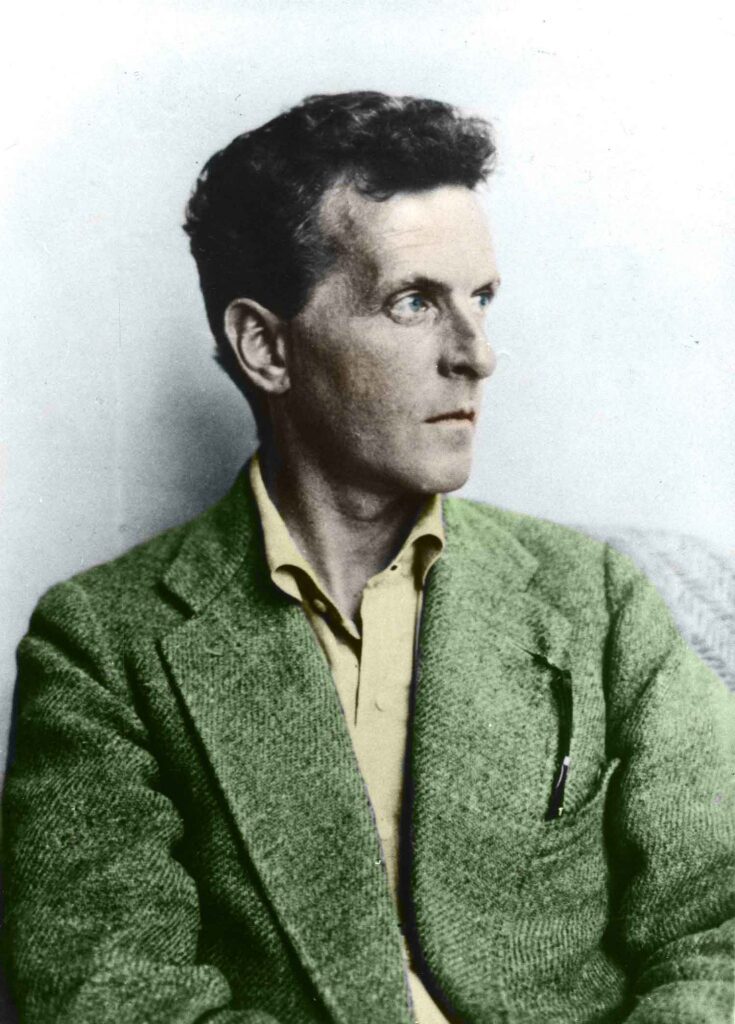
Now that we are a quarter into the next century with a longer perspective to evaluate the 1900s, I wonder what results a new survey would generate.
Related: My episodes on Heidegger, Russell, Kuhn, and Sartre in the Philosophers, Explained series, and my lecture on Rawls in the Philosophy of Politics course:
Where is Rothbard? And Mises, Hayek?
Reply
Where is the book that sums all and, if not points to transcendence of them, gives invaluable perspective for reading them? AFTER VIRTUE
Reply
Critical distinction: The most important philosophy was Ayn Rand’s “Introduction to Objectivist Epistemology” and “The Virtue of Selfishness,” while not being the most influential. Rand makes possible a salvaging of a rational approach to philosophy in the future.
I question the particular influence of any of the usually cited philosophical works, since they are all variants of confused skepticism and altruism. Or emotionalism over realism.
Reply
I read somewhere that Kripke’s epistemology and Rand’s are similar. Haven’t read any Kripke, but would be interested to learn more.
Reply
Academics overall aren’t a great source of recommendations, they lack quality of thinking.
As for Kripke I say NO, he is variable, hard to understand but some of his ideas are clearly not near agreement with Ayn Rand. https://en.wikipedia.org/wiki/Saul_Kripke
Reply