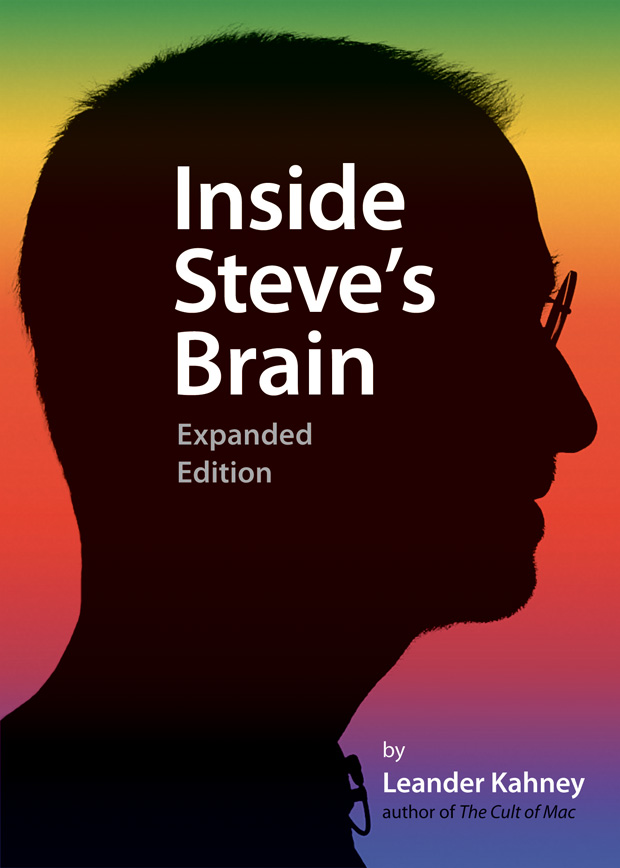
I read Inside Steve’s Brain, by Leander Kahney, a compelling business biography of Steve Jobs and Apple. Jobs is a business genius by all accounts (and regularly a jerk on the job, by most accounts).
Why has Jobs been so successful as an innovating entrepreneur? One factor is knowing clearly whether consumers or producers drive innovation.
Jobs’s view: “Creativity in art and technology is about individual expression. Just as an artist couldn’t produce a painting by conducting a focus group, Jobs doesn’t use them either. Jobs can’t innovate by asking a focus group what they want—they don’t know what they want. Like Henry Ford once said: ‘If I’d asked my customers what they wanted, they’d have said a faster horse’” (p. 62).
Another striking example, this one from Sony founder Akio Morita, one of Jobs’s business heroes:
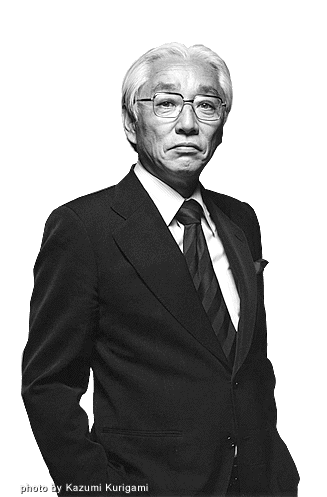
“Sony would never have invented the Walkman if it had listened to its users. The company actually conducted a lot of research before releasing it. ‘All the marketing data said the Walkman was going to fail. It was unambiguous. No one would buy it. But Morita pushed it through anyway. He knew. Jobs is the same. He has no need for user groups because he is a user-experience expert’” (p. 63).
While Kahney could have used a good editor to help him remove many unnecessary repetitions, the work is a product of loving research and deep thought.
And in a related point about the usual dichotomies that put the arts and the sciences, art and business, and artists and technologists into different categories, Kahney makes this report:
“Jobs has said several times that he thinks technological creativity and artistic creativity are two sides of the same coin. When asked by Time magazine about the difference between art and technology, Job said, ‘I’ve never believed that they’re separate. Leonardo da Vinci was a great artist and a great scientist. Michelangelo knew a tremendous amount about how to cut stone at the quarry. The finest dozen computer scientists I know are all musicians’” (p. 193).
Reminds me of a line from poet Paul Valéry: “A businessman is a hybrid of a dancer and a calculator.”
Related: My essay connecting entrepreneurial success traits to virtue ethics: