Philosophy

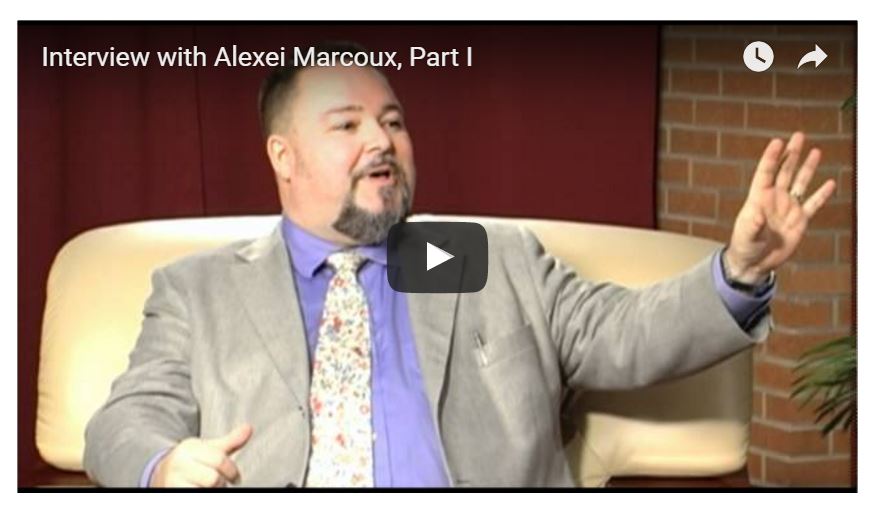
Alexei Marcoux on moral partiality in business [video interview transcript]

Interview with Professor Alexei Marcoux, conducted at Rockford University by Stephen Hicks and sponsored by the Center for Ethics and Entrepreneurship. Part I Hicks: My guest today is Dr. Alexei Marcoux, who spoke at Rockford University on moral partiality in business practice. Dr. Marcoux is a philosopher by training. He teaches in the business administration program

Alexei Marcoux on moral partiality in business [video interview transcript] Read More »

Religion and the Verdict of History [Theist vs. Atheist series]

[This column is a part of the Theist vs. Atheist series debate between Stephen Hicks and John C. Wright. This is Hicks’s response to Wright’s column. Here are the links to other columns in the series.] To evaluate religion’s track record we need to specify our evaluative benchmarks and identify whether we are evaluating religion generically

Religion and the Verdict of History [Theist vs. Atheist series] Read More »

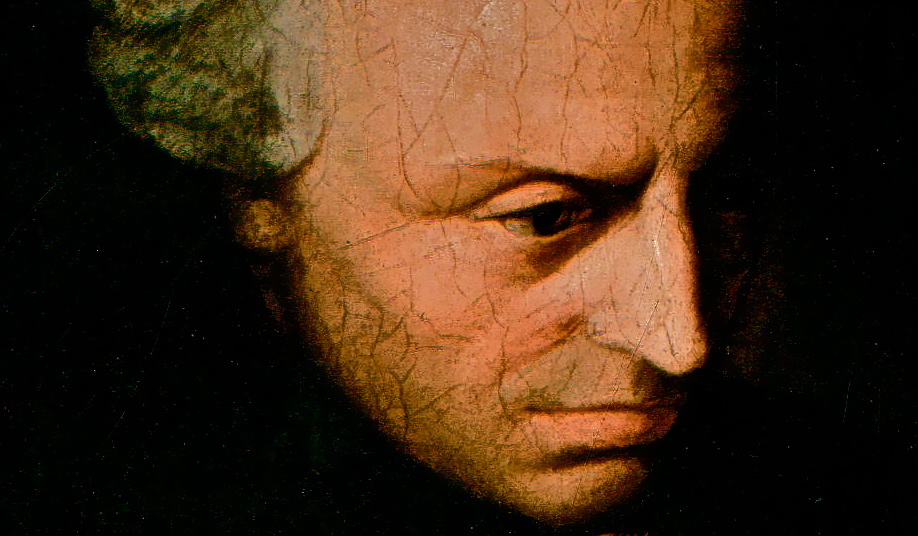
Long on Kant and liberal politics [Cato Unbound Series]

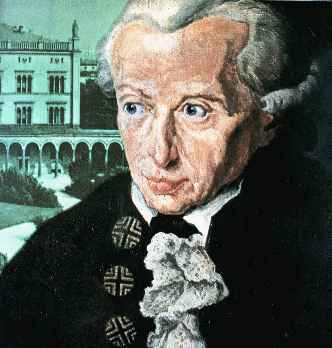
Professor Roderick T. Long has published his essay, “Kant: Liberal, Illiberal, or Both?”, in the Cato Unbound discussion series. Here is the abstract of his essay: Roderick Long offers a complex view of Immanuel Kant, who emerges as more often liberal in principle than in practice. Kant approved of taxation, a welfare state, and even

Long on Kant and liberal politics [Cato Unbound Series] Read More »

Kant’s non-defense of classical liberalism — my article for Cato Unbound

In the Cato Unbound series, my article “Does Kant Have a Place in Classical Liberalism?” is now up. Here, courtesy of editor Jason Kuznicki, is an abstract: Stephen R. C. Hicks argues that if our case for liberty comes from a mysterious other realm, then perhaps we have no case at all. He describes how

Kant’s non-defense of classical liberalism — my article for Cato Unbound Read More »

Understanding Triggers and Microaggression as *Strategy* (Part 2) [Good Life series]

Micro-aggression theory could be seen a sign of progress. The luxury of obsessing over tiny hints of racism or sexism implies that the problem of macro-aggressions has been solved. If your environment — to draw a parallel — is dirty and unhealthy, then you focus on the big messes first. Only when those are cleaned

Understanding Triggers and Microaggression as *Strategy* (Part 2) [Good Life series] Read More »

Galileo and the Early Modern Compromise in Philosophy

[In my Introduction to Philosophy course this week, we are reading and discussing Galileo Galilei’s attempt to reconcile the new science with traditional religion. The text of his Letter is at my Texts in Philosophy page.] In his open letter to the Grand Duchess Christina (1615), Galileo offered a defense of science against the prevailing

Galileo and the Early Modern Compromise in Philosophy Read More »