The Most Important Artist of the Century [Good Life series]
Marcel Duchamp’s Fountain at the Tate and the challenge to defining art.
The Most Important Artist of the Century [Good Life series] Read More »
Marcel Duchamp’s Fountain at the Tate and the challenge to defining art.
The Most Important Artist of the Century [Good Life series] Read More »
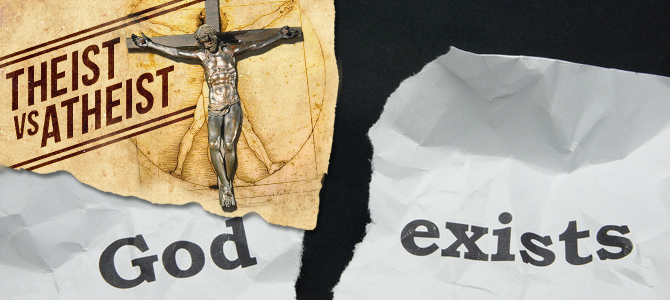
[This is a Portuguese translation of Part 2 of the Theist vs. Atheist series between John C. Wright and Stephen R. C. Hicks, originally published in English at EveryJoe.] Razão e fé são incompatíveis? Por Stephen Hicks Tradução e Revisão de Matheus Pacini Eu aprecio o ensaio inicial do Sr. Wright e estou de acordo
Católico vs. Ateu, Parte 2: Razão e fé são incompatíveis? [Portuguese translation] Read More »
You’ve likely heard the Bad News: we are supposed to be running out of resources. As a result you are sometimes asked: will you continue use up resources selfishly — or are you willing to make sacrifices? Possibly you individually are a person of selfless virtue, but how likely is it that most other people
Do we really live in a world of scarce resources? No. [Good Life series] Read More »
New York’s Park Avenue Armory’s current major exhibition is a retrospective of Martin’s Creed’s work over two decades. Viewers will experience films and installations of nipples stiffening and softening, flaccid penises firming, and a young woman squatting to defecate. One room’s back door opens and closes, inviting one to explore a small, dark opening. The
Does Martin Creed Speak for All of Us? Read More »
[This is a Portuguese translation of “Profits: Good, Bad, and Obscene”, originally published in English at EveryJoe.] Ninguém gosta de ter prejuízos, todavia, o lucro gera atitudes polarizadas. Como todos os fenômenos com alta carga moral — concorrência, riqueza, pobreza, propriedade — superar discussões muitas vezes confusas exige algumas distinções sutis. Vamos abordar o lucro por
Lucros: bons, ruins e obscenos [Portuguese translation] Read More »

Donald Heath died earlier this year, unexpectedly. He was my age, and we’d known each other since our university days, so his death was both sad and sobering. Mortality is often a future abstraction, but the loss of a unique, special individual makes it sharply real. The immensity of its finality becomes overwhelmingly present. Memories
My friend Don Heath Read More »
“Weary of liberty, he suffered himself to be saddled and bridled, and was ridden to death for his pains.” Goethe, The Sorrows of Young Werther.
The Fable of the Horse Read More »
[Posted here as an example of nineteenth-century nihilism integrated with violence and destruction as a means to a revolutionary end.] The Revolutionary Catechism By Sergey Nechayev (1869) The Duties of the Revolutionary toward Himself 1. The revolutionary is a doomed man. He has no personal interests, no business affairs, no emotions, no attachments, no property,
Nechayev’s “The Revolutionary Catechism” Read More »