Artists, Capitalists, and the Fate of Art under Capitalism
My current book project is The Fate of Art under Capitalism. The research is done and I’m over halfway done with the writing. I love art, art and intellectually history, and political economy—and this book project lets me integrate them all.
One of the questions I take up is based on three observations:
1. Artists have never had it so good as over the last century—the number of practicing artists has skyrocketed, as has the amount of money we spend on art, as has the number of media and genres, as has the quantity and quality of artistic raw materials, and so on.
2. The last century has been relatively capitalism-and-business friendly. (I know what you’re thinking, free market friends of mine.)
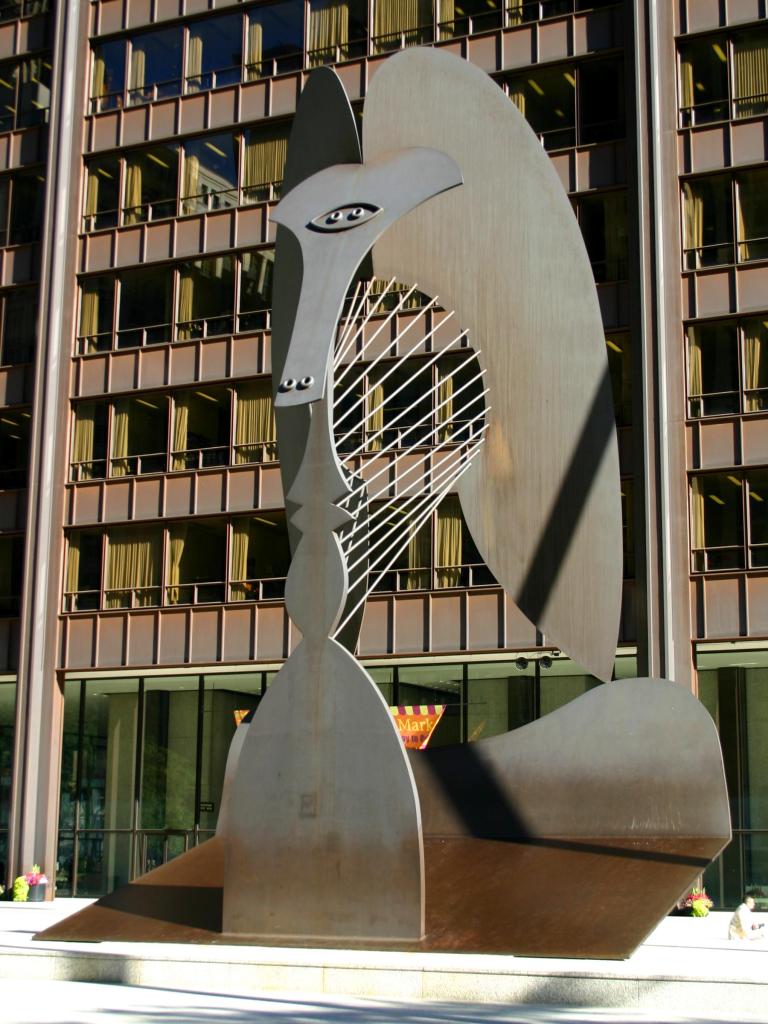
3. Most artists, especially those in the artistic establishment, are anti-capitalist and anti-business. (Picasso is representative, in word if not always in deed, here in 1918 speaking of his dealer Léonce Rosenberg: “Le marchand—voilà l’enemmi” [“The dealer—there's the enemy”].)
So my question is: Why the dynamic of the cartoons below?

________________________________________

________________________________________

________________________________________

________________________________________

________________________________________

________________________________________

________________________________________
Thoughts?
(Kudos to Chris Vaughan for drawing the cartoons for me.)