Fichte

Napoleon’s German admirers

From Maynard Solomon’s Beethoven: “For Beethoven’s German and Austrian contemporaries, the Napoleonic image was especially potent: Bonaparte’s admirers included Kant, Herder, Fichte, Schelling, Hegel, Schiller, Goethe, Hölderlin, Wielan, and Klopstock. Grillparzer, in his Autobiography wrote, ‘I myself was no less an enemy of the French than my father, and yet Napoleon fascinated me with a […]

Napoleon’s German admirers Read More »
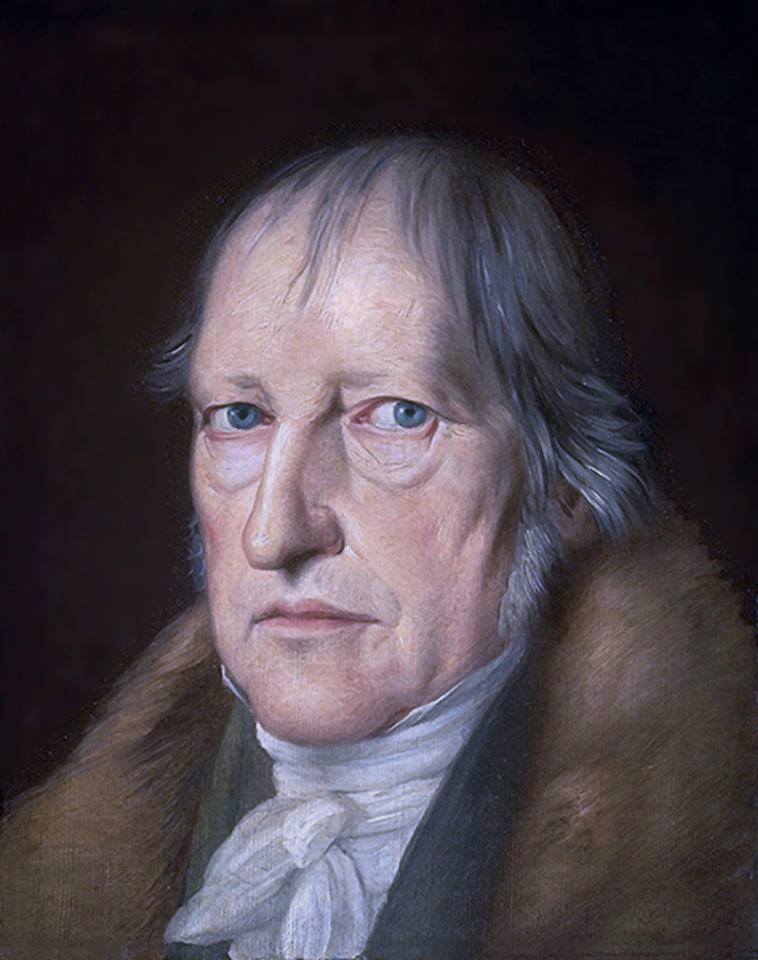
Interview on Hegel for *Culture Today* magazine, Iran

In your book Explaining Postmodernism: Skepticism and Socialism from Rousseau to Foucault, you portrayed Hegel as a great force of irrationalism, whose philosophy has contributed immensely to deteriorating rather than improving the human condition. The philosophy of Hegel has been on the rise in Iran in recent years. The idea behind this rising wave has

Interview on Hegel for *Culture Today* magazine, Iran Read More »

The Counter-Enlightenment Attack on Reason [EP audiobook]

This is the second chapter of the audiobook version of Explaining Postmodernism: Skepticism and Socialism from Rousseau to Foucault. Chapter Two: The Counter-Enlightenment Attack on Reason [mp3] [YouTube] [72 minutes] Enlightenment reason, liberalism, and science [mp3] [YouTube] The beginnings of the Counter-Enlightenment [mp3] [YouTube] Kant’s skeptical conclusion [mp3] [YouTube] Kant’s problematic from empiricism and rationalism

The Counter-Enlightenment Attack on Reason [EP audiobook] Read More »

Philosophy’s longest sentences, part 4

My fourth contribution to contest, my earlier three being from John Stuart Mill, Immanuel Kant, and Aristotle. I am surprised that we have no entries from Hegel, Fichte, or Heidegger, noted for their why-say-it-in-eight-words-when-sixty-are-available tendencies. But to my knowledge, the longest sentence written by a philosopher is the following 309-word original from the pen of

Philosophy’s longest sentences, part 4 Read More »