Fascinating numbers in this Harris poll on 21st-century Americans’ beliefs about ghosts, astrology, witches, and other supernatural phenomena. For example:
 73% believe in miracles.
61% believe in a devil.
40% believe in ghosts.
25% believe in astrology.
And so on, with interesting breakdowns of the data based on sex, political affiliation, and amount of education.
Which reminds me of this from John Hale’s Lords of the Sea, on 5th-century BCE Athenians’ beliefs about omens, divination, and the gods:
 “The majority of Athenians believed in omens and divination. Prophets accompanied all Athenian expeditions of any importance. They read the signs for the generals at the morning sacrifices and interpreted the meaning of comets, eclipses, phases of the moon, the flight of passing birds, and even dreams. To counterbalance this religious intrusion into military and political affairs, Pericles welcomed natural historians, city planners, philosophers, military engineers, and astronomers to Athens. Debates over their ideas and teachings were far from abstract or academic. Some Athenians readily accepted innovations, but others found them shocking. Among the common people there was a widespread mistrust of scientists or philosophers whose theories seemed based on the theory of a universe without gods” (p. 132).
Plus ça change …?
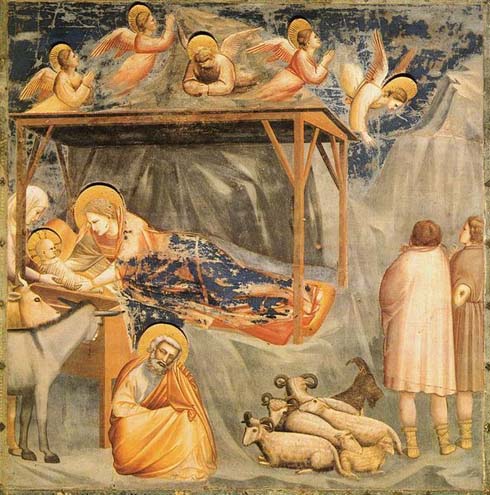
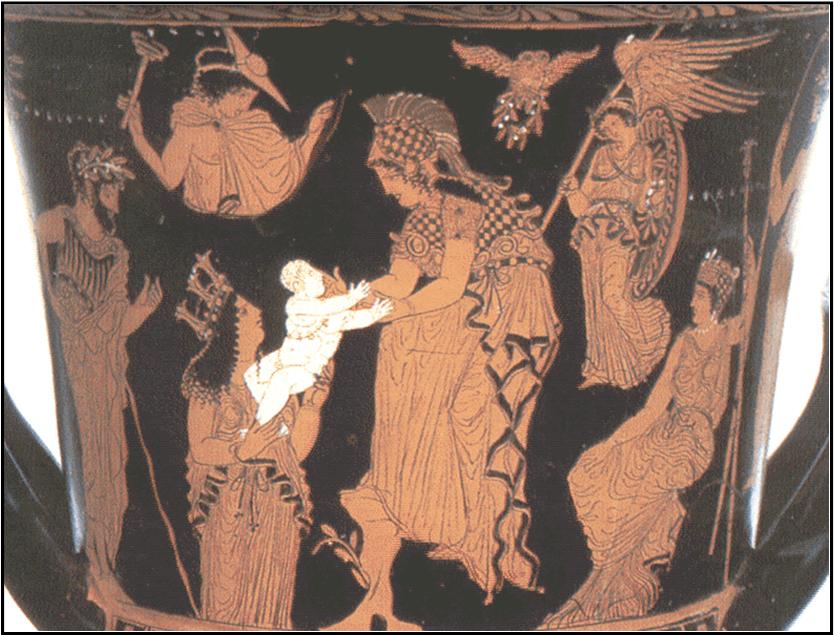
[The first image is one of Giotto’s Nativity paintings, and the red-figure vase portrays the birth of Erichthonius.]
In a nation obsessed with race, I find it interesting that this poll avoided the issue entirely.
The majority of omens believe in deviations. Astrologers help us solve life related problems with the help of astrology services. Our life changes with change in position of Sun, Moon, planetary bodies.